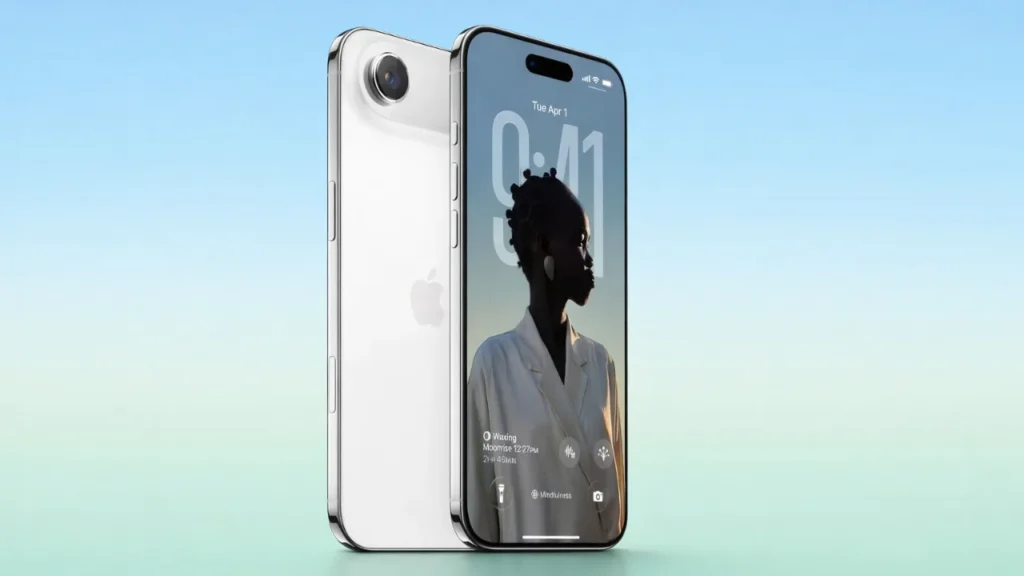
Apple has begun separating its product cycles: premium iPhones now arrive in September, while the more affordable “e-series” models are being released early in the year.
As part of this shift, the company is preparing to launch what it calls its cheapest iPhone for 2026 — the iPhone 17e — positioned as an upgraded follow-up to last year’s iPhone 16e.
Launch timing — 19 February 2026 is the date to watch
There’s no official announcement yet, but leaks and reports suggest Apple could unveil the iPhone 17e on 19 February 2026.
Expectations are that, like the iPhone 16e last year, this won’t be accompanied by a big event; Apple may opt for a simple press release instead.
The choice of this date is notable because Apple rarely launches products on a Thursday, but the e-series is treated differently from the flagship lineup.
Coincidentally, Google is also expected to introduce the Pixel 10a around the same time — a cheaper offering in the Google Pixel family — which sets up a direct midrange comparison between the two companies.
Price: Same Range or Slightly Higher?
The iPhone 16e launched in India at ₹59,900, a price that wasn’t particularly “budget” but still proved popular. Expectations are that the iPhone 17e will land in roughly the same price band.
Rising RAM and component costs could push the price slightly higher, though Apple could also choose to squeeze margins to reach more buyers.
The company appears to be positioning this model as a volume seller in major markets.
Design: minor changes, but practical upgrades expected
The iPhone 17e is not expected to bring a full redesign. Reports indicate it will likely keep the 6.1-inch display and a single rear camera.
A notch may remain, though some leaks point toward Dynamic Island — the situation isn’t settled yet. Overall, the look should feel familiar to users of the current e-series.

MagSafe and charging: a meaningful addition
According to Bloomberg’s 8 February “Power On” newsletter by Mark Gurman, the most practical upgrade for the iPhone 17e could be MagSafe support.
The iPhone 16e lacked MagSafe, which many users saw as a gap; the 17e may add MagSafe and offer up to 25W wireless charging so magnetic chargers and accessories can attach directly to the phone.
Performance and connectivity: stronger internals likely
The iPhone 17e is expected to receive a performance boost with a new A19 chipset built on 3nm technology — the same chip used in the standard iPhone 17. Apple may also add a new C1X cellular chip to improve connectivity.
The iPhone 16e was weaker in this area, lacking features like an ultra-wideband chip and some advanced tethering functions; it’s not yet clear whether the 17e will include all of those improvements.

Display: a possible surprise, but not confirmed
Some reports suggest the iPhone 17e could feature a 120Hz refresh rate display. If true, that would be a significant change for the e-series, since Apple has traditionally kept ProMotion displays limited to Pro models. For now, that claim remains uncertain.
A broader strategy — two iPhone launches per year
The iPhone 17e looks less like a one-off model and more like part of Apple’s changing strategy: two major waves of iPhone releases per year.
The plan appears to be September launches for high-end Pro and foldable models, and February–March introductions for standard, Air, and e-series phones.
If this pattern holds, Apple could debut the iPhone 18 Pro series and its first foldable iPhone in September 2026, followed by the iPhone 18 and iPhone 18e in February 2027.

Will the iPhone 17e be truly affordable?
Despite expectations and hopes, the reality is the iPhone 17e probably won’t be “cheap.” However, it could become the easiest and most affordable path into the Apple ecosystem for many buyers.
With flagship prices climbing, the 17e may offer a balanced option for users who want a modern, capable iPhone with long software support without paying Pro prices.

Tanu is a technology content writer at gemch.in who tracks smartphone launches, features, and pricing trends. She writes user-focused articles that explain what matters most in everyday smartphone use.