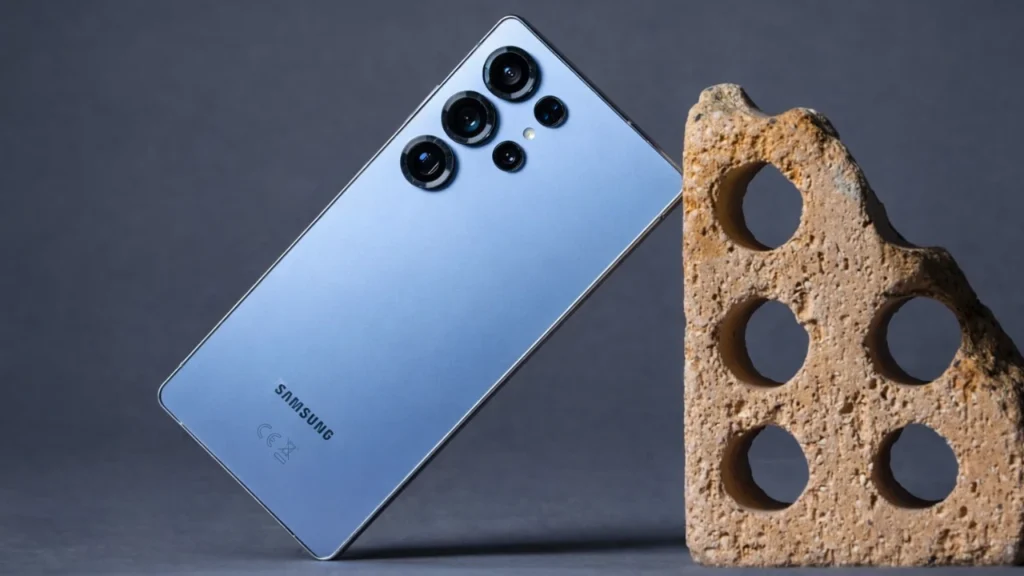
As the launch window gets closer, Samsung is once again finding it hard to keep everything secret. Fresh renders, said to be official, have now leaked online, showing the Galaxy S26 lineup from almost every angle. And instead of teasing a bold redesign, they point toward a much more measured and intentional strategy.
Rather than changing the look dramatically, Samsung seems focused on making the lineup feel more visually consistent — while keeping meaningful upgrades reserved for the Ultra model. It’s a deliberate shift, and for buyers, it brings both clarity and compromise.
February 25 is shaping up as launch day
Several independent reports now point to February 25, 2026 as the official launch date for the Galaxy S26 series, with sales expected to begin soon after. Samsung hasn’t confirmed this yet, but the consistency across leaks makes the timeline hard to ignore.
The renders also suggest a familiar lineup: Galaxy S26, Galaxy S26+, and Galaxy S26 Ultra. There’s no sign of an Edge model this time, which hints that Samsung may be simplifying the range — at least for this generation. It’s a cleaner approach, though Samsung has surprised buyers before by adding models later.
Galaxy S26 and S26+ stick to a safe, familiar design
At first glance, the Galaxy S26 and S26+ look exactly how most people would expect. Flat frames, a centered punch-hole camera, and display sizes that stay close to the usual 6.3-inch and 6.7-inch range.
The main change appears on the back. Both phones now feature a more noticeable camera island instead of the separate lens cutouts Samsung used in recent years. It’s a clear visual shift — and one that may divide opinion.
There are two likely reasons for this. A unified camera module helps Samsung keep a consistent design language across the lineup, and it may also allow room for updated camera hardware. That said, a bigger camera bump doesn’t automatically mean a huge jump in camera performance.
Galaxy S26 Ultra is where Samsung makes real changes
The Ultra model is where Samsung clearly allows itself more freedom. Renders show softer, more rounded corners, moving away from the sharp, boxy shape of previous Ultra phones. The camera island also looks more structured and bold, giving the device a stronger visual identity while aiming to improve comfort during daily use.
But the bigger focus isn’t just on design. Samsung is reportedly working on a feature called Privacy Display — a screen technology designed to reduce side-angle visibility and protect sensitive information from prying eyes. Users may be able to control how notifications and specific screen areas behave. It’s not a flashy spec, but it’s the kind of feature that can quietly make a real difference in everyday use.
There are also early claims about display upgrades, such as native 10-bit color support. However, until Samsung confirms these details, it’s best to treat them cautiously — especially when it comes to whether such features stay exclusive to the Ultra.

Pricing could be the biggest change for buyers
Design updates are easy to notice. Price changes are harder to ignore. Several leaks suggest that parts of the Galaxy S26 lineup may see price increases, possibly due to higher memory and storage costs. Interestingly, some reports claim the Ultra could be priced more aggressively in certain European markets.
If this turns out to be true, Samsung’s positioning becomes clearer. The standard Galaxy S26 moves further into premium pricing. The S26+ aims to justify its place with better storage options. And the Ultra becomes the clear flagship, offering exclusive features and stronger overall value.
Samsung is betting on experience, not surprise
Taken together, these leaks suggest a clear shift in priorities. Samsung doesn’t appear to be chasing dramatic visual changes this year. Instead, it’s refining the lineup, making it instantly recognizable, and focusing real innovation on the top-end model. Features related to privacy, display quality, cameras, and AI-driven experiences seem to matter more than headline-grabbing design moves.
There’s also a quiet push toward better ecosystem integration, from improved wireless charging to tighter connections with other devices — even if it may not fully match Apple’s ecosystem just yet.
The Galaxy S26 series doesn’t look like a revolution. It looks like Samsung polishing what already works — aiming for consistency, smarter everyday features, and a clearer gap between models.
For some buyers, that approach will feel reassuring. For others hoping for bold risks, it may feel too safe. Either way, Samsung seems confident that experience — not shock value — will drive its next flagship generation.

Ramesh is a technology writer at gemch.in, covering smartphone launches, leaks, and comparisons. His articles focus on real-world features, performance, and value-for-money insights to help readers make informed buying decisions.